Table of Contents
1.Proactive Care for a Longer Heater Lifespan
2.Spotting the Signs of a Failing Heater
3.The Replacement Decision: DIY or Call a Pro?
Imagine this: you're ready to unwind in your bubbling hot tub after a long day, but the water is disappointingly lukewarm. The culprit is often a neglected or failed heater element—the heart of your outdoor tub's heating system. Don't let a small part ruin your relaxation! This guide will help you extend your heater's life and know what to do when it's time for a change.
Proactive Care for a Longer Heater Lifespan
Consistent maintenance is the secret to a long-lasting and efficient hot tub heater. Think of it as preventative medicine for your outdoor spa.
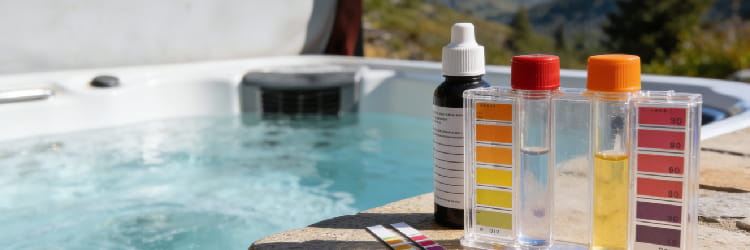
Master Your Water Chemistry: This is the most critical factor. Improperly balanced water (especially low pH) is highly corrosive and can quickly destroy a heater element . Test your water regularly and keep pH, alkalinity, and sanitizer levels within the recommended ranges.
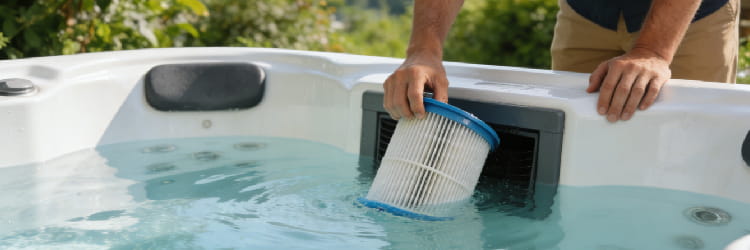
Keep Filters Clean: Dirty, clogged filters restrict water flow. Insufficient flow can cause the heater to overheat or prevent it from activating at all, putting immense strain on the element . Clean your filters as recommended by the manufacturer.
Prevent Scale Buildup: Hard water can leave calcium deposits (scale) on the element. This scale acts as an insulator, forcing the heater to work much harder to heat the water, which leads to premature failure . Proper water chemistry helps prevent this.
Spotting the Signs of a Failing Heater
Even with the best care, heater elements eventually wear out. Watch for these common warning signs:
No Heat or Slow Heating: The most obvious sign. If your outdoor spa takes forever to heat up or doesn't heat at all, the element is a prime suspect .
GFCI Breaker Tripping: A failing element can create a short circuit, causing the Ground Fault Circuit Interrupter (GFCI) breaker to trip for safety .
Error Codes: Many modern hot tubs will display an error code on the control panel indicating a heating or flow problem .
Visible Damage: If you can inspect the element, look for signs of corrosion, cracks, or blistering .
The Replacement Decision: DIY or Call a Pro?
When your heater element fails, you have two options: replace it yourself or hire a professional.
Safety First: Before any work, ALWAYS turn off the power to the hot tub at the main circuit breaker to prevent severe electrical shock . Water and electricity are a dangerous combination.
The DIY Route: If you're comfortable with basic plumbing and electrical work, you can save on labor costs. A replacement element can cost anywhere from 30 to over 200, depending on the type and material .
Hiring a Professional: For most owners, this is the recommended path. It ensures the job is done safely and correctly . A professional replacement typically costs between 225 and 650, including the part and labor. This is a small price for peace of mind.
Pro Tip: When replacing, consider upgrading to a titanium heater element. They cost more upfront but offer superior resistance to corrosion and can last significantly longer, especially if your water chemistry sometimes fluctuates .
Your hot tub heater element works hard to provide that perfect soak. By focusing on simple, regular maintenance—especially water chemistry and filter cleaning—you can significantly extend its lifespan, saving you time, money, and the disappointment of a cold tub. A little care goes a long way in ensuring your outdoor spa is always ready for you to relax and recharge.