
Table of Contents
1.What is Hot Tub Shock and Why is it Essential?
2.The Main Event: Chlorine Shock vs. Non-Chlorine Shock
3.Your Shocking Schedule: How Often to Shock Your Hot Tub
4.Step-by-Step: How to Safely Shock Your Hot Tub
5.Common Shocking Mistakes & Troubleshooting Guide
6.The Future is Clear: Trends in Hot Tub Care for 2026
7.Final Thoughts: Your Path to Perfect Water
1.What is Hot Tub Shock and Why is it Essential?
Think of shocking your hot tub as giving it a powerful, deep cleaning. It's the process of adding a dose of a strong oxidizing agent to the water to break down and eliminate unwanted organic and inorganic materials . Your regular sanitizer (like chlorine or bromine) works hard every day to kill bacteria, but it can't do everything. Over time, it gets bogged down.
This is where a hot tub shock treatment comes to the rescue. Its primary goals are to:
l Eliminate Contaminants: Every time you use your hot tub, you introduce organic compounds like body oils, sweat, lotions, cosmetics, and dead skin cells into the water . A shock treatment oxidizes, or burns off, this waste, preventing it from becoming food for bacteria and algae .
l Destroy Chloramines and Bromamines: When your regular sanitizer (chlorine or bromine) combines with the contaminants mentioned above, it forms compounds called chloramines or bromamines. These are the real culprits behind that "chlorine" smell and are responsible for skin and eye irritation . Shocking breaks these compounds apart, freeing up your sanitizer to effectively do its job again.
l Kill Bacteria and Algae: While your sanitizer handles the day-to-day work, a powerful shock can eradicate any lingering or resistant bacteria, algae, or other microorganisms that might have taken hold . This is especially important after heavy use.
l Restore Water Clarity and Comfort: By eliminating all these unwanted elements, shocking restores your water to a crystal-clear state, eliminates foul odors, and makes the water feel fresh and comfortable on your skin . It essentially resets your water's chemistry and aesthetic appeal.
In short, shocking is a non-negotiable part of a healthy hot tub maintenance routine. It supports your primary sanitizer, ensures the water is safe and hygienic, and keeps your spa experience pleasant and inviting .
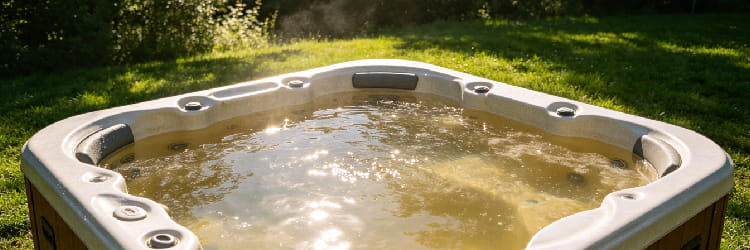
2.The Main Event: Chlorine Shock vs. Non-Chlorine Shock
When you go to buy a shock product, you'll see two main categories: chlorine-based and non-chlorine-based. They both "shock" the water, but they work differently and are suited for different purposes . Understanding the distinction is key to a smart water care strategy.
Non-Chlorine Shock: The Gentle Oxidizer
A non chlorine shock, often based on potassium monopersulfate (MPS), is a powerful oxidizer but not a sanitizer . Its main job is to burn off organic waste and break apart those smelly chloramines and bromamines .
Pros of Non-Chlorine Shock:
l Fast-Acting: This is its biggest advantage. You typically only need to wait 15-20 minutes after adding it before you can safely use your hot tub .
l Odorless: It eliminates contaminants without creating that harsh chemical smell associated with high levels of chlorine .
l Gentle: It's much gentler on your skin, eyes, and hot tub components like the cover and jets .
l Enhances Sanitizer: It "reactivates" your existing chlorine or bromine by breaking down the combined molecules, making your sanitizer more efficient .
Cons of Non-Chlorine Shock:
l Doesn't Sanitize: It's crucial to remember that it does not kill bacteria, algae, or viruses . You still need a primary sanitizer.
l Less Powerful for Crises: If you're dealing with a serious algae bloom or significant water contamination, a non-chlorine shock might not be strong enough to resolve the issue .
Best Use Case: Perfect for your regular weekly maintenance shock to keep contaminant levels low and water fresh without any downtime .
Chlorine Shock: The Heavy-Duty Sanitizer
Chlorine shock, often using a product like calcium hypochlorite or dichlor, is both a strong oxidizer and a powerful sanitizer. It does everything a non-chlorine shock does, but it also actively kills living microorganisms .
Pros of Chlorine Shock:
l Powerful Sanitizing Action: It is highly effective at killing bacteria, algae, mold, and other pathogens that may be present in the water .
l Effective Problem Solver: It's the go-to solution for clearing up cloudy water, dealing with an algae outbreak, or sanitizing the tub after a party .
l Cost-Effective: Generally, chlorine-based shock treatments are less expensive than their non-chlorine counterparts .
Cons of Chlorine Shock:
l Long Wait Time: You must wait until the free chlorine level drops back down to a safe range (typically 1-3 ppm), which can take several hours or even a full day .
l Harsh Odor and Feel: It produces a strong chlorine smell and can be irritating to the skin and eyes if levels are too high .
l Potential Damage: Consistently high chlorine levels can be harsh on your hot tub's cover, pillows, and internal components over time .
Best Use Case: Ideal for a monthly deep clean, after heavy bather loads, when you first fill the tub, or to fix a specific water quality problem like algae or extreme cloudiness.
Comparison Table: Chlorine vs. Non-Chlorine Shock
Feature | Non-Chlorine Shock | Chlorine Shock |
Primary Function | Oxidizer (removes waste) | Oxidizer & Sanitizer (removes waste & kills bacteria) |
Wait Time to Use Tub | Very short (approx. 15-20 mins) | Long (several hours to 24 hours) |
Odor | Minimal to none | Strong chemical/chlorine smell |
Feel | Gentle on skin and eyes | Can be irritating |
Best for Routine Use | Yes, ideal for weekly maintenance | No, better for periodic deep cleaning |
Solves Algae/Bacteria? | No, does not sanitize | Yes, very effective |
A balanced approach often works best. Use a non-chlorine shock weekly to manage contaminants and a chlorine shock monthly for a deep sanitizing cleanse.
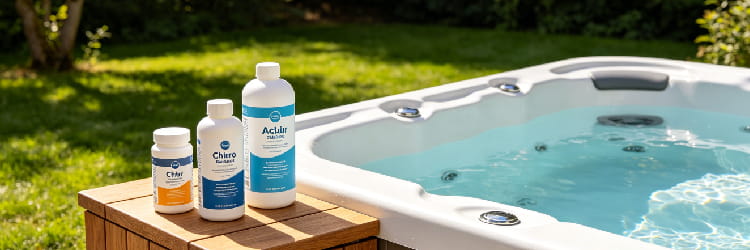
3.Your Shocking Schedule: How Often to Shock Your Hot Tub
Now for the million-dollar question: how often to shock hot tub water? While there are general guidelines, the perfect schedule depends on your specific usage habits and water conditions .
The General Rule of Thumb:
For most users, a good starting point is to shock your hot tub once a week . A regular weekly treatment, often with a non-chlorine shock, is the most effective way to prevent problems before they start. It keeps organic waste from building up and ensures your sanitizer is always working at peak efficiency.
When to Shock More Frequently:
You should always be prepared to shock your hot tub "as needed" outside of your regular schedule. Here are situations that call for an immediate shock treatment (preferably with a chlorine-based shock):
l After Heavy Use: If you've had a hot tub party with several guests, their collective lotions, oils, and sweat have put a heavy load on the water. Shock it after they leave .
l If the Water is Cloudy or Hazy: Cloudiness is a clear sign that there are suspended particles and contaminants that your filter and sanitizer can't handle alone. A shock will help clear it up .
l If You Detect an Odor: That "chlorine" smell means chloramines are present. Any other musty or unpleasant smells indicate bacteria or other issues. Shocking is the direct solution .
l After a Long Period of Disuse: If you haven't used your tub in a while, shock it before you get in to ensure any dormant bacteria are eliminated.
l When You Refill Your Tub: Always start with fresh water by giving it a strong initial shock to establish a clean base.
l If Your Sanitizer Levels Drop to Zero: If you've forgotten to add sanitizer and the level is zero, shock the water to quickly kill any bacteria that may have started to grow.
By combining a regular weekly schedule with responsive, as-needed treatments, you can easily maintain perfect water quality year-round.
4.Step-by-Step: How to Safely Shock Your Hot Tub
Performing a shock treatment is simple and quick, but it's important to follow the correct steps to ensure it's effective and safe. Always read and follow the specific instructions on your shock product's label, as quantities and methods can vary.
Step 1: Pre-Shock Preparation
l Put on Safety Gear: Chemical safety is paramount. Always wear protective gloves and safety goggles to prevent skin or eye contact .
l Test and Balance Your Water: Before adding shock, use a reliable test kit to check your water's pH and Total Alkalinity levels. Shock treatments are most effective when the pH is within the ideal range of 7.2 to 7.8 . If your pH is too high or low, adjust it first and wait for it to stabilize before shocking .
l Calculate the Correct Dosage: Read the product label to determine how much shock you need for your hot tub's specific volume (gallons or liters). Using too little will be ineffective, and using too much is wasteful and can be harsh .
Step 2: The Shocking Process
l Turn on the Jets: Turn on your hot tub's circulation pump and jets to get the water moving. This is crucial for distributing the shock evenly and quickly throughout the spa .
l Leave the Cover Off: Keep the hot tub cover open during the shocking process and for at least 15-20 minutes afterward. This allows the oxidized compounds and other gases to vent safely into the atmosphere .
l Add the Shock Slowly: Following the manufacturer's instructions, slowly pour the pre-measured amount of shock into the water. It's best to spread it around the surface or pour it near the circulation jets to aid in distribution . Important Safety Tip: Never pre-mix shock with other chemicals and always add chemicals to water, not water to chemicals .
l Let it Circulate: Allow the jets to run for at least 15-20 minutes to ensure the shock is fully dissolved and circulated throughout the entire plumbing system .
Step 3: Post-Shock Procedure
l Wait Patiently: This is the most important final step. If you used a non chlorine shock, you may only need to wait about 15-20 minutes. If you used a chlorine shock, you MUST wait until the free chlorine level has dropped back to a safe 1-3 ppm range. This can take anywhere from a few hours to a full day .
l Re-Test Before Use: Before allowing anyone into the hot tub, test the water one last time to confirm that the sanitizer levels are safe and the pH is balanced .

5.Common Shocking Mistakes & Troubleshooting Guide
Even with the best intentions, mistakes can happen. Here are a few common pitfalls to avoid and how to troubleshoot persistent water problems.
Common Mistakes to Avoid:
l Shocking During the Day: If you're using an unstabilized chlorine shock, the sun's UV rays can burn it off before it has a chance to work. It's always best to shock your tub in the evening or at night .
l Adding Too Much Shock: More is not better. Over-shocking with chlorine can lead to extremely high sanitizer levels that take days to come down, making your tub unusable and potentially damaging components .
l Getting In Too Soon: This is especially dangerous after a chlorine shock. High chlorine levels can cause severe skin and eye irritation and can even damage swimsuits . Always test the water before getting in.
l Forgetting to Balance pH First: If your pH is too high, chlorine shock becomes significantly less effective. You'll waste product and won't get the results you want. Always balance first .
l Neglecting the Filter: Shocking breaks down contaminants, but your filter is what removes the resulting particles from the water. A dirty, clogged filter will lead to persistent cloudiness no matter how much you shock . Rinse your filters regularly and deep-clean them monthly.
Troubleshooting Guide:
l Problem: My water is still cloudy after shocking.
l Solution: First, check your filter. It's likely clogged with the contaminants the shock oxidized. Clean it thoroughly. Second, test your water chemistry again. A pH or alkalinity imbalance could be the cause. If both are fine, you may need a second, stronger shock treatment or the use of a water clarifier.
l Problem: My hot tub has a strong chemical smell.
l Solution: This is almost always a sign of combined chloramines, not too much chlorine. The solution is to shock the water! A proper shock treatment will break down the chloramines and eliminate the smell .
l Problem: I see green or mustard-colored patches (algae).
l Solution: This requires an aggressive chlorine shock. Brush the surfaces of the tub to loosen the algae, balance your pH, and then add a strong dose of chlorine shock. You may need to clean your filters multiple times during this process to remove the dead algae.
6.The Future is Clear: Trends in Hot Tub Care for 2026
As we look at the state of hot tub care on this day, April 14, 2026, two major trends are making water maintenance easier and more efficient than ever: eco-friendly alternatives and smart technology.
l Eco-Friendly Innovations: There is a growing demand for more environmentally friendly water care solutions. While shock treatments remain essential, they are now being supplemented by advanced systems that reduce the overall chemical load . These include:
l UV-C Sterilization Systems: These use powerful ultraviolet light to kill bacteria and microorganisms as water passes through them, drastically reducing the amount of sanitizer needed .
l Ozone Generators: Ozone is a powerful oxidizer that can be injected into the water to destroy contaminants on contact, again reducing the reliance on chemical shocks .
l Natural Enzyme Treatments: These products use enzymes to break down oils and organic waste, preventing scum lines and easing the load on your sanitizer and shock treatments.
l Smart Water Monitoring: The guesswork is being taken out of water care. Modern hot tubs are increasingly equipped with smart technology that monitors water quality in real-time . These systems can test pH, sanitizer levels, and more, sending alerts directly to your smartphone when it's time to add chemicals or perform a shock treatment . This predictive approach ensures you're always ahead of potential problems, saving time and money.

Understanding and implementing a regular hot tub shock treatment routine is the single most effective thing you can do to ensure your water is always clean, clear, and safe. By learning the difference between a weekly maintenance dose of non chlorine shock and a periodic deep clean with a chlorine shock, you can create a simple, effective schedule tailored to your needs.
Remember the key takeaways: shock weekly to oxidize waste, shock more heavily after parties or when problems arise, and always follow safety procedures. Combine this knowledge with regular testing and filter cleaning, and you'll spend less time on maintenance and more time enjoying the relaxing, rejuvenating experience your hot tub was designed to provide. Happy soaking