Table of Contents
1.Introduction: Transforming Your Hot Tub into a Four-Season Sanctuary
2.The Foundational Decision: Gazebo vs. Pergola for Your Spa
3.Material Matters: Selecting a Frame for Durability and Aesthetics
4.Blueprint for Resilience: Designing for Your Specific Climate
5.Elevating the Experience: Advanced Features and Modern Design Ideas
6.Conclusion: Building Your Personal, Year-Round Getaway
1.Transforming Your Hot Tub into a Four-Season Sanctuary
A hot tub is more than just an appliance; it's an investment in relaxation, wellness, and quality time. However, many owners find their use of this backyard centerpiece dictated by the whims of nature. A blazing midday sun, an unexpected downpour, or the prying eyes of neighbors can quickly curtail a planned soak. The dream of a spontaneous, year-round escape often clashes with the reality of exposure to the elements.
This is where a well-designed shelter transforms a simple hot tub pad into a true oasis. A covered hot tub outdoor structure, whether a sturdy gazebo or an elegant pergola, is the key to unlocking your spa's full potential. It provides essential protection, creates a profound sense of privacy, and elevates the entire aesthetic of your backyard into a cohesive, luxurious retreat .
This comprehensive guide will serve as your blueprint for designing the perfect year-round hot tub sanctuary. We will explore the critical differences between gazebos and pergolas, delve into the material science that ensures longevity, provide strategies for climate-specific design, and showcase the latest hot tub gazebo ideas and spa pergola design trends that merge functionality with sophisticated style. By understanding these core principles, you can create a private, protected, and picturesque haven that is ready for you to enjoy, any day of the year.
2.The Foundational Decision: Gazebo vs. Pergola for Your Spa
The first and most crucial choice in creating your covered hot tub space is the type of structure you will build. The terms "gazebo" and "pergola" are often used interchangeably, but they represent two distinct design philosophies with different implications for weather protection, ambiance, and cost.
The Gazebo: A Fortress of Comfort
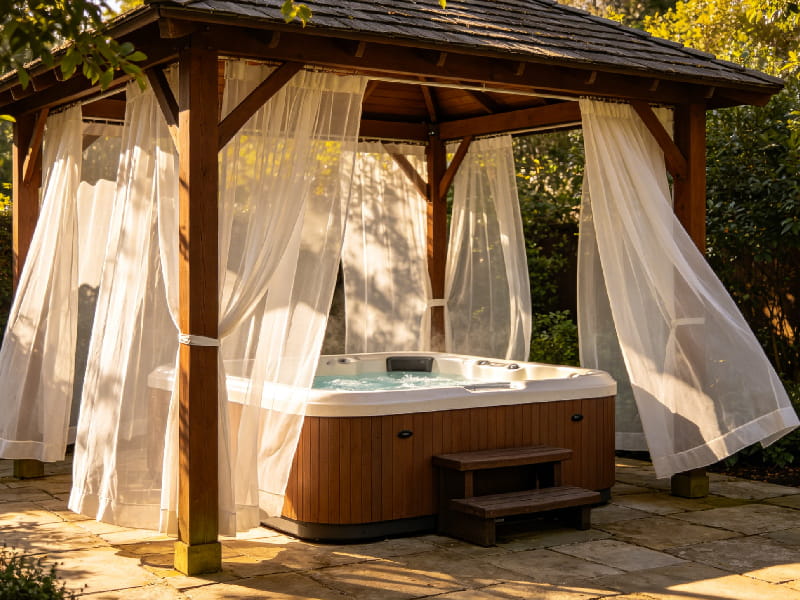
A gazebo is traditionally defined by its solid, continuous roof. This single feature makes it the ultimate choice for complete protection from the elements. Whether it's shielding you from harsh UV rays, keeping you dry during a rainstorm, or preventing snow from accumulating on your hot tub cover, a gazebo offers a true four-season solution .
l Key Characteristics: Gazebos feature a fully covered, hardtop roof and are often octagonal, hexagonal, or rectangular. They can range from open-sided structures to fully enclosed rooms with windows, doors, and screens, providing maximum privacy and a cozy, room-like feel . A robustly built hardtop gazebo is designed to be a permanent or semi-permanent structure, capable of withstanding significant weather events like heavy snow loads .
l Best For: Homeowners in climates with diverse and often challenging weather, including heavy rain, significant snowfall, and intense sun. It is also the ideal choice for those who prioritize maximum privacy and want to create a true outdoor room.
The Pergola: An Archetype of Elegance
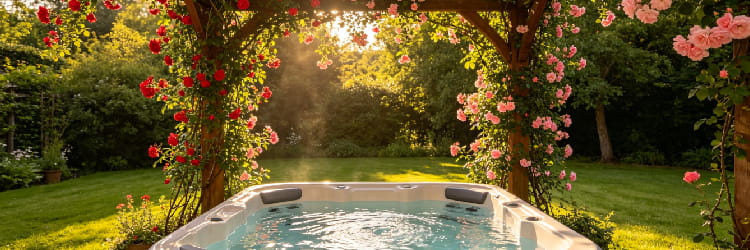
A pergola is characterized by its open, slatted, or latticed roof structure supported by posts or columns. Its primary function is not to provide complete shelter but to define a space, offer partial shade, and support climbing plants, creating a beautiful and organic architectural feature.
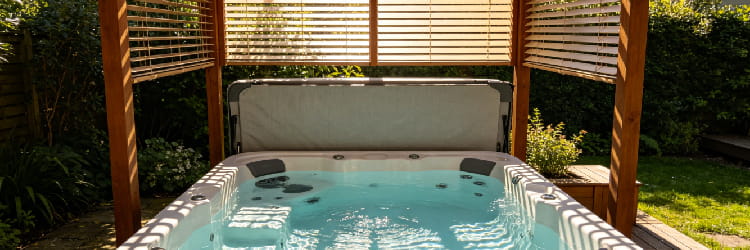
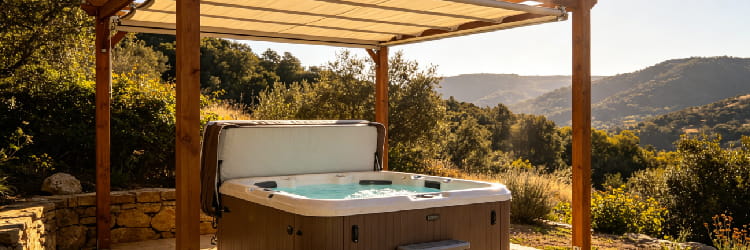
l Key Characteristics: The defining feature of a pergola is its permeable roof, which allows for a dynamic interplay of light and shadow. However, modern spa pergola design has evolved significantly. Many now feature innovative roofing solutions like retractable fabric canopies, adjustable louvered systems, or polycarbonate panels that allow users to control the amount of sun and rain exposure on demand . This adaptability makes them a highly versatile option.
l Best For: Individuals in milder climates or those who desire a more open, airy feel. A pergola is perfect for someone who wants to create architectural interest and dappled shade without completely blocking out the sky. The modern, adjustable versions offer a fantastic compromise between the openness of a traditional pergola and the protection of a gazebo.
Comparative Analysis: Which Structure Suits Your Needs?
To help you decide, here is a direct comparison of the two structures:
Feature | Gazebo | Pergola |
Weather Protection | Excellent. Solid roof provides full protection from rain, sun, and snow . | Variable. Traditional designs offer partial shade. Modern designs with adjustable louvers or canopies offer excellent, controllable protection . |
Privacy | High. Can be designed with full or partial walls, screens, or curtains for complete seclusion . | Moderate. Provides a sense of enclosure. Privacy can be enhanced with screens, curtains, or landscaping . |
Ambiance & Style | Enclosed, cozy, "outdoor room" feel. Tends toward traditional or substantial architectural styles. | Open, airy, architectural feel. Blends well with modern, minimalist, and rustic designs. |
Light & Airflow | More shaded and enclosed, which can limit natural light and airflow unless designed with large openings. | Excellent natural light and airflow. The feeling of being "outdoors" is more pronounced. |
Structural Footprint | Can feel larger and more imposing in a smaller backyard due to the solid roof. | Visually lighter and less imposing, making it a good fit for various yard sizes. |
Cost & Complexity | Generally higher cost and more complex construction due to the solid roof structure. | Can be more budget-friendly, especially in its simpler forms. Advanced louvered systems increase the cost. |
3.Material Matters: Selecting a Frame for Durability and Aesthetics
The material you choose for your gazebo or pergola frame is a long-term decision that impacts its durability, maintenance requirements, and overall look. The humid, chemical-treated environment around a hot tub demands materials that can resist moisture and corrosion. The primary choices are wood, aluminum, and composite materials.
The Timeless Appeal of Wood
Wood is the classic choice, offering a natural, warm, and inviting aesthetic that blends seamlessly into any landscape. For a hot tub enclosure, it's crucial to select rot-resistant species.
l Pros: Unmatched natural beauty and classic appeal. Woods like Cedar and Redwood contain natural oils that make them inherently resistant to decay and insects . Wood can also be stained or painted to match any desired color scheme.
l Cons: Wood requires the most maintenance. To prevent rot, warping, and sun damage, it needs to be periodically cleaned, sealed, or stained . Without proper and consistent care, wood is susceptible to moisture damage, which is a significant concern in a spa environment .
The Sleek Resilience of Aluminum
For a modern, low-maintenance, and incredibly durable option, aluminum is an outstanding choice. Its properties make it particularly well-suited for the demanding environment of a hot tub.
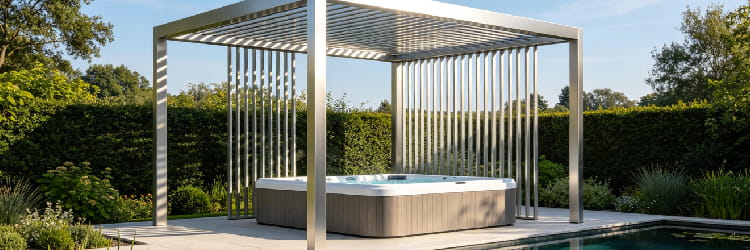
l Pros: Aluminum is lightweight yet strong, and it is naturally resistant to rust and corrosion, making it ideal for humid settings . Powder-coated aluminum finishes are extremely durable, resisting chipping, fading, and scratching . It requires virtually no maintenance beyond occasional cleaning. Many high-end adjustable louvered pergolas use aluminum frames for their strength and weather resistance .
l Cons: While strong, it may not be as robust as steel in areas with extreme weather . The aesthetic is distinctly modern, which may not suit all backyard styles. It can also absorb heat in direct sunlight .
The Low-Maintenance Power of Composite Materials
Composite materials, typically a blend of wood fibers and recycled plastics, offer a compelling "best of both worlds" solution. They are engineered to mimic the look of wood without the associated upkeep.
l Pros: Composites are highly durable and resistant to rot, insects, and moisture damage—key advantages for a spa enclosure . They require minimal maintenance, needing only occasional washing, and they will not warp, crack, or splinter . They provide the warm look of wood without the need for sealing or staining .
l Cons: High-quality composites can have a higher upfront cost than some wood options. Some people find that composites, while good, don't perfectly replicate the authentic texture and grain of natural wood .
Material Smackdown: A Head-to-Head Comparison
Material | Durability | Maintenance Level | Best For... | Key Considerations |
Wood | Good to Excellent (with proper care and wood choice) | High. Requires regular sealing/staining to prevent rot and UV damage . | Homeowners seeking a natural, classic, or rustic aesthetic who are committed to regular upkeep. | Wood species matters greatly. Choose pressure-treated pine, cedar, or redwood for best results. |
Aluminum | Excellent. Naturally rust-proof and corrosion-resistant . Powder coating adds extra protection. | Very Low. Occasional cleaning with soap and water is all that's needed. | Those desiring a modern, sleek look with maximum durability and minimal maintenance, especially in wet climates. | Lightweight nature requires secure anchoring. Look for thick-gauge, powder-coated frames. |
Composite | Excellent. Engineered to resist moisture, rot, insects, and fading . | Very Low. Requires only occasional cleaning. No sealing or staining needed. | Individuals who love the look of wood but want the low-maintenance benefits of a synthetic material. | Upfront cost can be higher. Color is permanent, so choose carefully. |
4.Blueprint for Resilience: Designing for Your Specific Climate
A truly year-round oasis must be designed to handle the worst weather your region can throw at it. A one-size-fits-all approach is insufficient; your structure must be specifically adapted to handle local challenges like snow, wind, and sun.
Conquering Winter: Handling Heavy Snow Loads
In regions with significant snowfall, the weight of accumulated snow (snow load) is a primary structural concern.
l Roof Pitch and Design: A steeper roof pitch helps shed snow more effectively than a flat or low-pitched roof. For gazebos, a hip roof design is inherently strong and efficient at distributing weight.
l Structural Reinforcement: The frame must be engineered to exceed local building code requirements for snow load. This means using thicker beams, shorter spans between posts, and reinforced connections.
l Hardtop Materials: A robust hardtop gazebo with a metal or reinforced polycarbonate roof is essential. These materials are designed to bear significant weight without buckling . Some advanced shelters are rated to handle several feet of snow . Always check the manufacturer's snow load rating.
Bracing for the Breeze: Withstanding High Winds
For coastal areas, plains, or regions prone to storms, wind resistance is paramount.
l Foundation is Key: The structure must be securely anchored to a solid foundation. This means using concrete footings and heavy-duty anchoring hardware that connects the posts directly to the foundation . A heavy platform or concrete-filled steel frame can further reduce vibrations from wind .
l Aerodynamic Features: For pergolas with adjustable louvers, some systems are designed to automatically open in high winds to allow air to pass through, reducing uplift pressure. For gazebos, vented or double-roof designs can also help manage wind pressure.
l Secure Connections: All connections—from the roof panels to the frame and the frame to the posts—must be robustly secured with high-grade bolts and brackets, not just nails or screws. Hurricane ties or straps are recommended in high-wind zones .
Basking Smartly: Managing Intense Sun Exposure
In hot, sunny climates, the goal is to create a cool, shaded retreat that filters out harsh UV radiation.
l UV-Resistant Materials: Choose materials and finishes with high UV resistance to prevent fading, cracking, and degradation over time. This applies to the frame, roof panels, and any fabric canopies .
l Ventilation: Proper airflow is crucial to prevent the space from becoming a heat trap. A gazebo with a vented roof or a pergola with open sides allows hot air to escape, creating a more comfortable environment.
l Adjustable Shade: This is where modern pergolas excel. An adjustable louvered roof allows you to angle the slats to block the sun completely during the hottest part of the day while still allowing for airflow. In the morning or evening, you can open them to let in more light . Retractable canopies offer similar on-demand shade .
5.Elevating the Experience: Advanced Features and Modern Design Ideas
Once you've settled on the core structure, materials, and climate-proofing, you can focus on the features that transform your shelter from a functional cover into a luxurious oasis. The latest trends in spa pergola design focus on seamless integration of privacy, technology, and ambiance.
Privacy in the Modern Age: From Screens to Smart Glass
Creating a sense of seclusion is a top priority for most hot tub owners. Modern designs offer elegant solutions far beyond a simple fence.
l Integrated Privacy Screens: Many kits and custom designs offer fixed or retractable privacy screens. These can be made of wood lattice, composite panels, outdoor fabric, or decorative metal, adding a stylish architectural element .
l Adjustable Louvered Walls: Just as roofs can have adjustable louvers, so can walls. These allow you to control both privacy and airflow with a simple crank or remote control.
l Landscaping: Never underestimate the power of nature. Strategically placed tall grasses, bamboo, or evergreen shrubs can create a living privacy screen that enhances the tranquil, natural feel of your oasis .
Smart Sanctuaries: Integrating Technology for Ultimate Control
As of 2026, smart home technology has fully moved into the backyard, allowing for unprecedented control and customization.
l Automated Roofing: The pinnacle of convenience is a motorized louvered pergola or retractable canopy that can be controlled via a remote, a wall switch, or even a smartphone app . Some advanced systems even have weather sensors that automatically close the roof when it starts to rain.
l Integrated Lighting: Move beyond simple string lights. Modern shelters can incorporate recessed LED lighting in the beams or posts. Dimmable, color-changing systems allow you to set the mood for any occasion, from a vibrant party atmosphere to a calming, spa-like glow .
l Outdoor Audio: Integrated, weather-proof speakers connected via Bluetooth allow you to stream your favorite music or podcasts directly into your sanctuary, completing the multi-sensory experience.
Accessorizing Your Oasis: Functional and Ambiance-Enhancing Add-ons
The right accessories add the final layer of comfort and utility.
l Bar Counters and Seating: Many gazebo designs incorporate a built-in bar counter along one side, creating the perfect spot for drinks and snacks. This provides a social hub for guests who may not be in the tub .
l Towel and Robe Hooks: A simple but essential feature. Having dedicated, sheltered hooks keeps towels dry and within easy reach.
l Outdoor Curtains: For a softer, more resort-like feel, outdoor fabric curtains can be hung on a pergola or open-sided gazebo. They add a touch of elegance, billow gently in the breeze, and can be drawn for extra privacy or sun protection .
Inspiring Hot Tub Gazebo and Spa Pergola Design Ideas
l The Zen Garden: Surround a dark-wood pergola with smooth river stones, bamboo planters, and a small water feature. Use warm, indirect lighting to create a meditative and tranquil space .
l The Modern Minimalist: Opt for a sleek, black or charcoal aluminum pergola with clean lines. Keep the surrounding deck simple and uncluttered. Use a motorized louvered roof for ultimate control and a minimalist aesthetic.
l The Rustic Retreat: Build a robust cedar gazebo with a stone-clad base. Incorporate a bar counter made from a live-edge wood slab and use rustic lantern-style lighting.
l The Budget-Friendly DIY: For a cost-effective solution, a simple wooden pergola frame can be constructed. Add privacy and shade with outdoor curtains on a track system and train climbing vines like wisteria or jasmine to grow over the top for a natural, evolving canopy .
6.Building Your Personal, Year-Round Getaway
Creating a covered hot tub outdoor space is one of the most impactful upgrades a homeowner can make. It is a deliberate act of design that transforms a standalone feature into the heart of your backyard living area. By moving beyond the basic concept of shelter and thoughtfully considering the interplay of structure, materials, climate, and modern features, you elevate your investment from a seasonal novelty to a perpetual source of wellness and relaxation.
The journey begins with the fundamental choice between the complete shelter of a gazebo and the versatile elegance of a pergola. This decision, guided by your climate and privacy needs, sets the stage. From there, selecting the right material—be it the natural warmth of wood, the sleek durability of aluminum, or the easy-care ingenuity of composites—ensures your oasis will stand the test of time with grace. Finally, by tailoring the design to your specific weather challenges and integrating thoughtful features like adjustable privacy screens and smart lighting, you craft a space that is uniquely yours.
Your backyard holds the potential for a private, luxurious, and accessible retreat. A well-designed hot tub shelter is the key that unlocks it, providing a sanctuary where you can escape, entertain, and unwind, no matter the season or the time of day.