
Table of Contents
1.Introduction: More Than Just a Number
2.The Golden Rule: Understanding the Universal Safety Standard
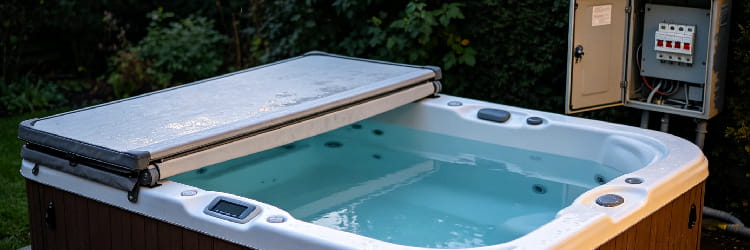
3.Mastering Winter Soaking: Comfort, Coziness, and Cost-Effectiveness
4.Summer Splashing: How to Use Your Hot Tub in Warm Weather
5.Special Considerations for All Seasons
6.Beyond the Thermostat: A Holistic Approach to Seasonal Care
7.Conclusion: Your Personalized Temperature Prescription
The sensation of slipping into the warm, bubbling water of a hot tub is a unique form of bliss. It melts away the stress of the day, soothes sore muscles, and provides a perfect sanctuary for relaxation or connection. But have you ever paused before your soak, controller in hand, and wondered: what is the perfect temperature?
The truth is, the ideal hot tub temperature isn't a single, static number. It’s a dynamic setting that should adapt to the season, the occasion, and even your personal health. Setting your spa to 102°F on a snowy January evening feels divine, but that same temperature on a humid July afternoon might feel more oppressive than pleasant.
This comprehensive guide is designed to eliminate the guesswork. We will delve into the critical guidelines for safety, comfort, and energy efficiency, providing you with the knowledge to customize your hydrotherapy experience year-round. Whether you're a new owner or a seasoned enthusiast, you'll learn how to find the perfect temperature for the frosty nights of winter, the sun-drenched days of summer, and everything in between.
2.The Golden Rule: Understanding the Universal Safety Standard
Before we explore seasonal adjustments, we must establish the most important rule of hot tubbing: the universal safety limit. Health and safety organizations worldwide, along with spa manufacturers, have set a clear and non-negotiable maximum temperature.
The maximum safe water temperature for a hot tub is 104°F (40°C) .
Almost all modern spas are equipped with factory-set high-limit switches that prevent the water from exceeding this temperature. This isn't an arbitrary number; it's based on critical physiological science. When your body is submerged in water hotter than its normal temperature (around 98.6°F or 37°C), it can no longer cool itself by sweating. If the water is too hot, your core body temperature can rise to dangerous levels, a condition known as hyperthermia.
The symptoms of hyperthermia can include dizziness, nausea, drowsiness, and fainting . In the aquatic environment of a hot tub, losing consciousness poses a severe risk of drowning. Therefore, you should never attempt to override your spa’s high-limit controls or set the temperature above 104°F (40°C). This is the foundational principle for a safe spa temperature.
3.Mastering Winter Soaking: Comfort, Coziness, and Cost-Effectiveness
Winter is arguably the most magical time to own a hot tub. The contrast between the crisp, cold air and the enveloping warmth of the water is an invigorating and deeply relaxing experience.
Finding Your Ideal Winter Temperature
During the colder months, most users find their comfort sweet spot within a specific range:
l Ideal Winter Range: 100°F to 104°F (38°C to 40°C)
Within this range, personal preference is key. A setting of 102°F (39°C) is a popular starting point, offering significant warmth without being overwhelming. For those truly frigid nights, pushing the temperature up to the 104°F (40°C) maximum can provide an exceptional therapeutic soak. Remember to listen to your body; what feels perfect one night might feel a bit too warm the next. Always start lower and increase the temperature gradually if desired.
Energy-Saving Strategies for Cold Weather
The primary challenge of winter hot tub ownership is energy consumption. The greater the temperature difference between the water and the outside air, the harder your spa's heater has to work, which directly translates to higher electricity bills . While some increase in cost is unavoidable, you can mitigate it significantly with these strategies:
l 1. A High-Quality Cover is Non-Negotiable: Your spa cover is the single most important tool for heat retention. A heavy, insulated, and well-fitting cover traps heat and prevents evaporation (which is a major source of heat loss). Ensure your cover is in good condition, without any rips or waterlogging, as this will dramatically reduce heating costs.
l 2. Maintain, Don't Reheat: It may seem logical to turn the heater way down or off between uses, but this is often counterproductive. Reheating a large body of water from a cold state can consume a massive amount of energy—sometimes more than what you'd save . For regular use (a few times a week), it is far more energy-efficient to keep the water at or near your desired temperature. If you plan to be away for a week or more, use your spa’s "vacation" or "economy" mode, which typically lowers the temperature by about 10-15°F, preventing freezing while saving energy.
l 3. Create a Windbreak: Wind is a notorious heat thief. A spa exposed to winter winds will lose heat much faster . Planting hedges, installing a privacy screen, or strategically positioning your spa next to a wall can create a windbreak that helps your tub retain heat more effectively.
l 4. Utilize Smart Technology: Many modern spas are engineered for cold climates and feature full-foam insulation and energy-efficient circulation pumps. Furthermore, advanced control systems may include "smart" modes designed to optimize heating cycles for efficiency . For instance, a "Smart Winter Mode" might periodically circulate water to prevent pipes from freezing, using minimal energy to protect the system.
4.Summer Splashing: How to Use Your Hot Tub in Warm Weather
Don't let your hot tub sit idle when the weather warms up. With a simple temperature adjustment, your spa can transform from a winter warmer into a refreshing summer oasis. The key is to shift your mindset from a "hot" tub to a "soak" tub.
The "Cool Tub" Concept: A Refreshing Alternative
Using a hot tub in the summer isn't about enduring intense heat; it's about enjoying the therapeutic benefits of water and jets at a comfortable temperature. By lowering the thermostat, you create a perfect environment for relaxing on a warm evening or cooling down after a day in the sun.
l Ideal Summer Range: 90°F to 100°F (32°C to 38°C)
For a lukewarm, relaxing soak that still feels warmer than a typical swimming pool, a temperature of 98°F (37°C)—around normal body temperature—is an excellent choice . On particularly hot days, you can even set it as low as 85°F (29°C). With the heater off, the jets alone can provide a refreshing, hydro-massaging experience. This approach makes your hot tub temp in summer a source of relief rather than additional heat.
Safety First During Extreme Summer Heatwaves
During periods of extreme heat, using your hot tub requires extra caution. Your body is already working overtime to stay cool, and immersing yourself in warm water can quickly become dangerous if not managed properly. Follow these safety recommendations during a heatwave :
l Lower the Temperature Dramatically: Set the water temperature to be at or below your body temperature, ideally in the 95°F to 98°F (35°C to 37°C) range. The goal is relaxation, not heating.
l Stay Hydrated: This is the most crucial rule. Drink plenty of cool water before, during, and after your soak to prevent dehydration. Keep a water bottle spa-side.
l Avoid Alcohol: Alcoholic beverages are diuretics and accelerate dehydration, increasing the risk of heat-related illness. Save your drink for after your soak.
l Limit Your Soak Time: Keep your sessions short, around 10 to 15 minutes max.
l Choose Your Time Wisely: Avoid using the spa during the hottest part of the day. Opt for a soak in the morning or later in the evening after the sun has set.
l Listen to Your Body: Pay close attention to how you feel. If you begin to feel dizzy, lightheaded, or nauseous, exit the spa immediately, find a cool place, and rehydrate.
5.Special Considerations for All Seasons
Certain individuals need to exercise additional caution when using a hot tub, regardless of the season.
A Note for Families with Children
Children are much more sensitive to heat than adults because their bodies have a smaller surface area-to-volume ratio. For their safety and comfort:
l Lower Temperature: The recommended temperature for young children is 98°F (37°C) or lower .
l Shorter Duration: Limit their time in the water to short intervals of 5 to 15 minutes .
l Constant Supervision: An adult must always be present and actively supervising when children are in or around the hot tub.
Guidelines for Pregnant Users
A significant rise in core body temperature can pose risks during pregnancy. The standard medical advice is:
l Consult Your Doctor: Before using a hot tub during pregnancy, it is essential to get approval from a physician.
l Strict Temperature Limit: If cleared by a doctor, the water temperature should never exceed 102°F (38.9°C) .
l Limit Time: Soaking time should be limited, often to 10 minutes or less, to prevent a significant rise in body temperature .
Users with Pre-existing Health Conditions
Individuals with heart disease, high or low blood pressure, diabetes, or any other serious medical condition should consult their healthcare provider before using a hot tub. The heat can affect circulation and blood pressure, potentially exacerbating certain conditions.
6.Beyond the Thermostat: A Holistic Approach to Seasonal Care
Finding the perfect temperature is only one part of seasonal spa management. Water chemistry is also affected by the changing seasons. For instance, in the summer, higher temperatures and increased use can lead to faster evaporation and quicker depletion of sanitizers like chlorine or bromine . In winter, while chemical reactions may slow, consistent maintenance is still crucial to keep the water safe and clear .
Regardless of the temperature on your display, maintaining a consistent water testing schedule is vital. Regularly check and balance your pH, alkalinity, and sanitizer levels to ensure your spa remains a safe, clean, and inviting environment year-round .

7.Your Personalized Temperature Prescription
Your hot tub is a personal retreat, and its temperature should be tailored to your needs for comfort, safety, and enjoyment. There is no single "best" temperature, but there are clear and important guidelines to follow.
Let’s recap the key takeaways:
l Safety is Paramount: Always respect the maximum safe temperature of 104°F (40°C).
l Embrace Winter Warmth: For the ultimate cozy soak in cold weather, aim for 100°F to 104°F (38°C to 40°C). Protect your investment and your wallet by using a quality cover and maintaining a consistent temperature.
l Cool Down in Summer: Transform your spa into a refreshing oasis by lowering the temperature to 90°F to 100°F (32°C to 38°C). During heatwaves, be extra cautious by lowering the heat further, hydrating, and limiting your time in the water.
l Always Listen to Your Body: The most important guide is how you feel. If you're ever uncomfortable, it's time to get out.
By understanding how seasons affect both your experience and your spa's operation, you can move beyond a one-size-fits-all approach. Experiment within these safe ranges, pay attention to what feels best for you and your family, and unlock the full, year-round potential of your personal hydrotherapy sanctuary.