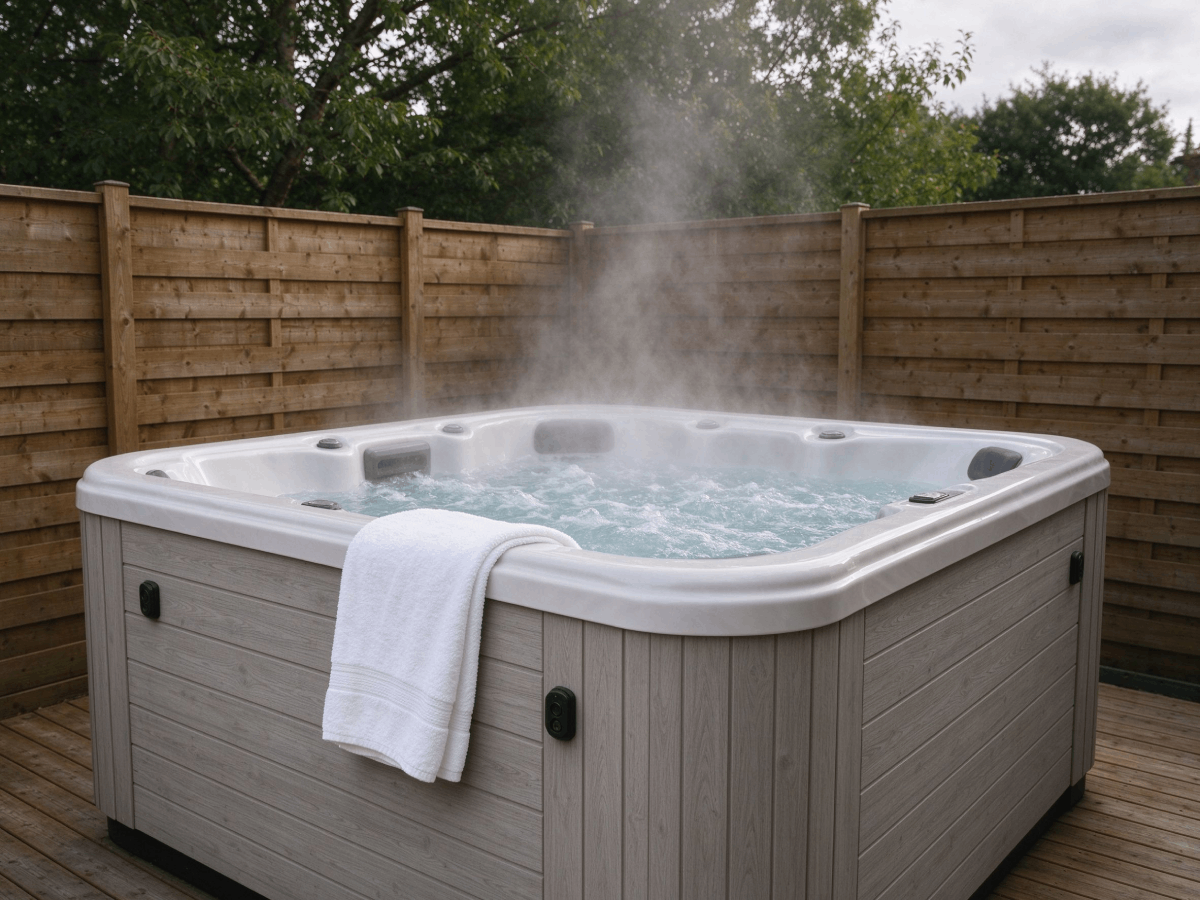
What temperature should your hot tub be? It's one of the most common questions new owners ask — and the answer isn't the same all year, or even in every state. In Minnesota winters, you'll want hotter water; in Arizona summers, dropping a few degrees saves money and feels better. With 68% of US hot tub owners buying mainly for stress relief and better sleep, getting the water temperature right directly affects how often you use it. This study breaks down optimal settings by season, with real data on comfort, safety, and energy costs. Get a quote on a tub with precise temperature control built in
Table of Contents
1. The Baseline: What's "Normal"?
2. Winter: When Hotter Is Better
3. Summer: Cooler Saves Money
4. Spring & Fall: The Comfort Zone
5. The Energy Cost Breakdown
6. Health & Safety Limits
1. The Baseline: What's "Normal"?
Walk into any hot tub showroom and the water is almost always set to 100°F or 102°F (38–39°C). That's not a coincidence — it's the temperature range that feels good to most people right out of the box. It's hot enough to relax tight muscles, but not so hot that you can't stay in for 15–20 minutes.
But "normal" doesn't mean it's the best setting year-round. With 4-person tubs making up 41% of US sales, most owners are running a mid-sized tub where the thermostat range is 80°F to 104°F, and the sweet spot moves with the seasons. Our 4-person hot tub models all feature precise digital controls that let you fine-tune the water temperature to the degree.
2. Winter: When Hotter Is Better
In winter, most owners bump the temperature up to 102°F or even 104°F. When it's 20°F outside and snowing in Denver, Chicago, or Boston, stepping into 104°F water is an experience. The steam rising off the surface, the contrast with cold air on your face — that's why people use their tubs more in winter than summer.
One mistake to avoid: don't turn the heater off when you're not using it. It's actually cheaper to keep the tub at 102°F than to let it drop to 70°F and reheat. Reheating a 400-gallon tub from 70°F to 102°F takes 8–12 hours and uses more electricity than holding temperature for 3 days. Our energy-efficient hot tubs are engineered to keep winter running costs manageable, especially for Midwestern and Northern homeowners who run their tubs year-round.
3. Summer: Cooler Saves Money
In summer, drop it. When the air temperature is 85°F or higher in Texas, Florida, or Arizona, 102°F water feels too hot. Most summer regulars run their tub at 98°F–100°F, and some even go down to 95°F on the hottest days. It's still warm enough to be relaxing, but you can stay in longer without overheating.
The savings add up. Every 1°F you lower the temperature cuts your heating cost by roughly 3–5%. Dropping from 102°F to 98°F for the whole summer saves about $60–$80 over 3 months. Just don't go below 90°F — that's the danger zone for bacteria growth, since your sanitizer becomes less effective. For summer water care tips, see our water care guide.
4. Spring & Fall: The Comfort Zone
Spring and fall are the best months for hot tubbing, and 100°F is the perfect middle setting. Outdoor temperatures swing from 50°F to 75°F, so 100°F water is warm without being overwhelming. You can soak for 20–30 minutes and step out feeling relaxed, not overcooked.
These seasons are also the best time to do maintenance: drain the tub, clean the filter, check the cover. Since the weather is mild, you won't miss the tub while you clean it. For a full seasonal checklist, visit our FAQ page.
5. The Energy Cost Breakdown
Water temperature is the single biggest factor in your hot tub electric bill. Here's what you can expect to pay per month for a well-insulated 4-person tub — the most popular size in the US market:
| Temperature | Monthly Cost | Best Season |
|---|---|---|
| 104°F (40°C) | $50–$65 | Deep winter only |
| 102°F (39°C) | $38–$48 | Winter / cold days |
| 100°F (38°C) | $30–$40 | Spring / fall |
| 98°F (37°C) | $25–$32 | Summer |
| 95°F (35°C) | $20–$28 | Hot summer days |
The difference between running at 104°F all year and adjusting with the seasons can be $150–$200 a year. That's enough to pay for a year's worth of chemicals. If you're looking for an even more efficient option, check out our swim spas, which have premium insulation built in.
6. Health & Safety Limits
There's a hard limit you shouldn't cross: 104°F. Health agencies recommend never soaking in water hotter than that. At 104°F and above, your body temperature rises quickly, and you risk dizziness, nausea, or even heat stroke. Most hot tubs lock out at 104°F for this reason.
With over 30% of hot tub owners aged 50 and older, many buyers are looking for hydrotherapy benefits — muscle relief, joint comfort, better sleep. But that same age group needs to be extra careful about water temperature:
• Pregnant women: Keep it below 100°F and check with your doctor first. High water temperature can be risky in early pregnancy.
• People with heart conditions: Hot water raises your heart rate and blood pressure. Stick to 100°F or lower and consult your physician.
• Children: Kids under 5 shouldn't use hot tubs. Older kids can use them at 95–100°F for short periods.
• Anyone drinking alcohol: Alcohol + hot water = faster dehydration and dizziness. Skip the soak or stick to non-alcoholic drinks.
For more buying guidance and safety tips, download our shopping guide or request a free quote. We'll help you find the right tub for your climate and lifestyle.
Your hot tub is meant to be enjoyed, not run on autopilot at one fixed temperature all year. Spend a week experimenting: try 102°F in December, 100°F in May, and 97°F in July. You'll find that matching the water to the weather makes every soak better — and saves you money on electricity. Browse our full hot tub range to find the right model for your home.