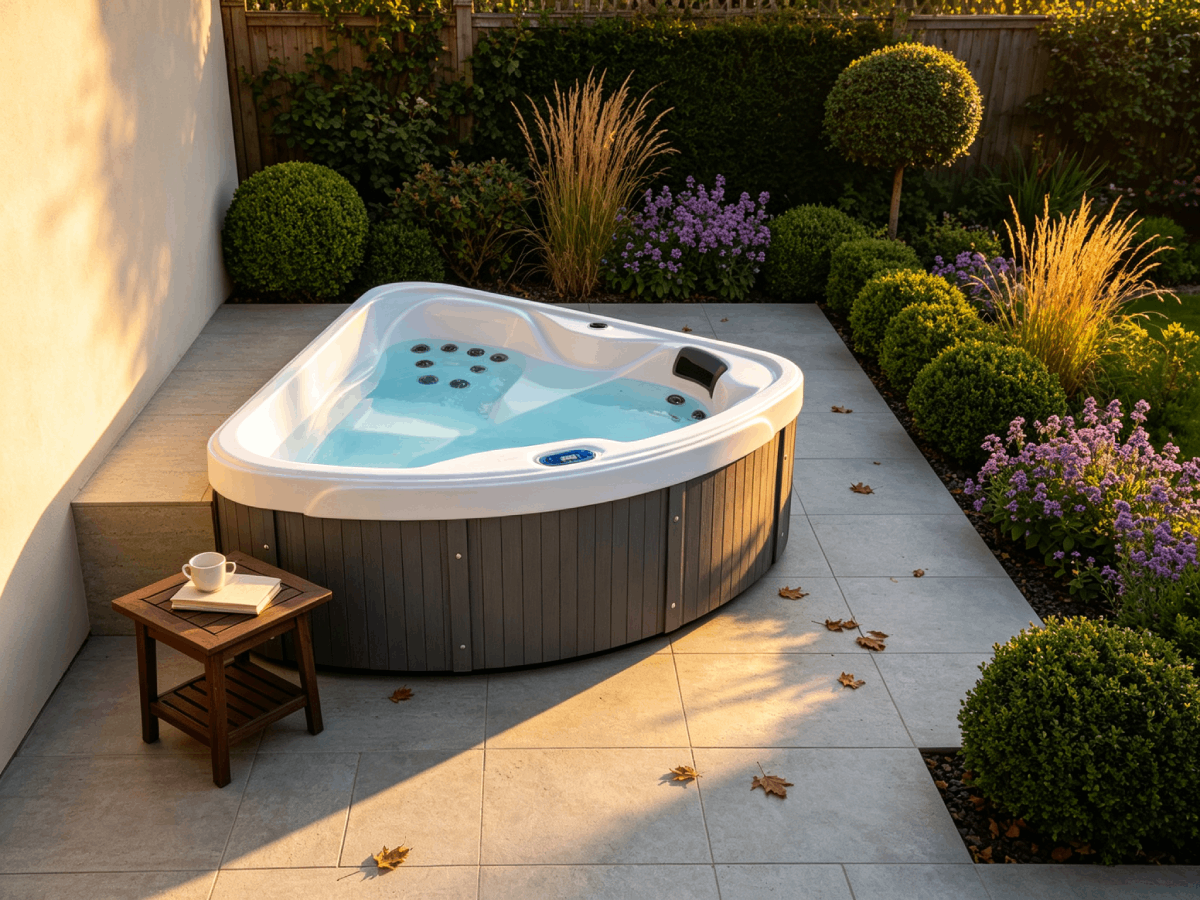
If you're shopping for a hot tub or already own one, one of the first practical questions is: how much will I actually spend on chemicals every month? Based on real owner data, a typical hot tub uses approximately 2 lbs of chlorine (or bromine), 1 lb of shock treatment, and 1 bottle of pH adjuster per month—roughly $15 to $30 in total. This study breaks down exactly where that money goes, what drives consumption up or down, and how to budget accurately for your own spa. Explore our complete water care system and chemical solutions
Table of Contents
1.Introduction: How Much Do Hot Tub Chemicals Really Cost?
2.The Core Three: What You Use Every Month
3.Monthly Consumption Breakdown: The Numbers
4.Cost Analysis: What to Budget Each Month
5.Factors That Change Your Chemical Usage
6.Conclusion: Planning Your Chemical Budget
1.Introduction: How Much Do Hot Tub Chemicals Really Cost?
The short answer: most hot tub owners spend between $15 and $30 per month on water care chemicals. That range accounts for everything from sanitizer and shock to pH balancers and occasional specialty treatments. At the lower end, you'll find owners who use basic chlorine, test their water religiously, and have relatively soft source water. At the higher end, you'll see owners who prefer bromine, have hard well water, use their tub daily, or live in climates that accelerate chemical demand.
To put this in perspective, $15 to $30 per month works out to roughly $180 to $360 per year. Compared to the upfront cost of a hot tub (which can range from $3,000 to $15,000+), this is a relatively modest ongoing expense. However, it's also one of the most variable costs, and owners who don't understand their water chemistry can easily spend two or three times the average by over-treating, buying unnecessary products, or dealing with preventable water problems that require expensive fixes. Learn how our Pure Water Care system reduces chemical demand by up to 50%
This study breaks down the data into actionable numbers. We'll look at exactly how much of each chemical the average tub consumes, what those products cost, and—most importantly—what you can do to keep your usage (and your spending) at the lower end of the range without ever sacrificing water quality.
2.The Core Three: What You Use Every Month
Virtually every hot tub owner relies on three foundational chemicals, month in and month out. These are the non-negotiables—the products that keep your water safe, clear, and comfortable. Everything else (like stain removers, foam reducers, or enzyme treatments) is optional and used only as needed.
The Sanitizer: Chlorine or Bromine
This is your most-used chemical. Sanitizer kills bacteria, viruses, and algae, and it's consumed continuously whenever the tub is in use—and even when it's not, because UV light and heat break it down over time. The average owner uses about 2 lbs per month, though this can range from 1 lb (light use, bromine, covered tub) to 4 lbs (heavy use, chlorine, uncovered tub, high bather load).
The Shock: Oxidizer
Shock treatment is a weekly dose of a strong oxidizer (usually non-chlorine shock like MPS, or a high dose of chlorine) that burns off organic waste—sweat, body oils, cosmetics, and the byproducts that sanitizer creates when it kills contaminants. Without regular shocking, these byproducts build up, causing cloudy water, strong odors, and skin irritation. The average owner uses about 1 lb of shock per month, applied at a rate of roughly 1 to 2 oz per week. Browse our full range of spa care and shock treatment products
The pH Adjuster: Up or Down
Hot tub water should sit at a pH between 7.4 and 7.6. When pH drifts too high (which is the most common scenario, especially with hard water), you add a pH decreaser (usually sodium bisulfate). When it drifts too low, you add a pH increaser (usually sodium carbonate). Most owners go through about one bottle of pH adjuster per month, though this varies dramatically based on your source water—owners with naturally balanced water may barely use any, while those with very hard or very soft water may go through two bottles. Total Alkalinity adjusters are also sometimes needed, and these are often bundled with pH products.
3.Monthly Consumption Breakdown: The Numbers
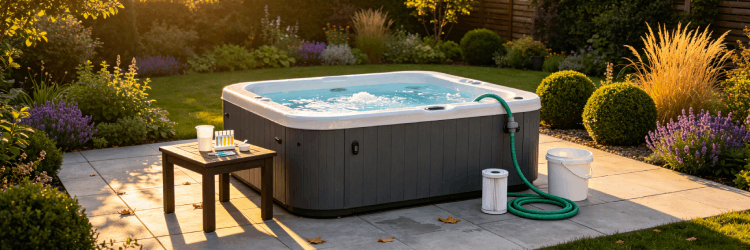
Here's the data in black and white. The table below shows average monthly consumption for each core chemical, along with typical unit sizes, cost ranges, and notes on what drives variation. These numbers are based on a standard 5-6 person hot tub used 3-4 times per week by 2-3 people, with average source water and a quality cover that's kept on when the tub isn't in use.
| Chemical | Avg. Monthly Usage | Typical Unit Size | Monthly Cost | Key Variables |
|---|---|---|---|---|
| Chlorine (granular or tablets) | 2 lbs | 2–5 lb container | $5–$12 | Bather load, cover usage, sunlight, water temp |
| Bromine (tablets or granules) | 1.5–2 lbs | 2–5 lb container | $8–$18 | More stable in hot water, lasts longer but costs more upfront |
| Shock (MPS or chlorine) | 1 lb | 1–2.5 lb container | $4–$10 | Usage frequency, bather load, whether you shower before soaking |
| pH Decreaser / Increaser | 1 bottle (≈1–2 lbs) | 1–2 lb bottle | $3–$8 | Source water hardness, alkalinity, fill frequency |
| Test Strips (optional but recommended) | 10–15 strips | 50-strip bottle | $2–$5 | Testing frequency (2–3x/week recommended) |
| TOTAL (chlorine setup) | — | — | $14–$35 | Average: ~$20/month |
| TOTAL (bromine setup) | — | — | $17–$41 | Average: ~$25/month |
A few important notes about these numbers. First, they represent ongoing maintenance costs only—they don't include the initial startup chemicals you'll need when you first fill your tub (which typically costs $30 to $60 as a one-time expense). Second, they assume you're buying standard, readily available chemicals at regular retail prices. Buying in bulk, choosing store brands, or shopping sales can reduce these costs by 20% to 30%. Third, they don't include optional or as-needed products like stain removers, enzyme treatments, or filter cleaner—these are used sporadically and add maybe $2 to $5 per month on average. A quality insulated cover is the single biggest factor in reducing chemical consumption
4.Cost Analysis: What to Budget Each Month
Let's look at three typical owner profiles to give you a clearer picture of where you might land on the $15 to $30 spectrum. Understanding which profile fits you best will help you budget accurately and avoid surprises.
The Budget-Conscious Owner ($15–$20/month)
This owner uses chlorine (the cheaper sanitizer option), tests water 2-3 times per week to avoid over-treating, has a good quality cover that's always on when the tub isn't in use, showers before getting in (which reduces the organic load dramatically), and has relatively soft or balanced source water. They buy chemicals in bulk or on sale, and they rarely need specialty treatments because their consistent routine prevents problems before they start. This is the profile most owners can achieve with a little discipline—and it's the sweet spot for cost without sacrificing water quality.
The Average Owner ($20–$25/month)
This owner uses either chlorine or bromine, tests water weekly (sometimes skipping a week), uses the tub 3-4 times per week, and has average source water. They remember to shock weekly most of the time, but occasionally forget and then need a little extra product to clear up the water. They buy standard-brand chemicals at regular prices, and they occasionally need a specialty product (like a stain remover or foam reducer) when a problem pops up. This is the most common profile and represents the true average.
The High-Demand Owner ($25–$30+/month)
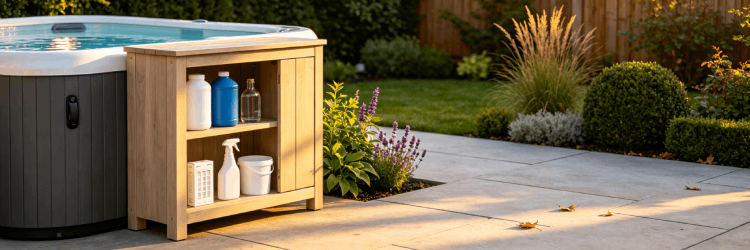
This owner falls into one or more of these categories: uses the tub daily or has a large family (4+ people soaking regularly), has very hard or very soft source water that requires constant pH adjustment, lives in a hot sunny climate where UV breaks down sanitizer quickly, doesn't use a cover consistently, or prefers premium bromine and specialty products. They may also be dealing with an older tub that has biofilm buildup in the plumbing, which continuously consumes sanitizer. These owners can reduce costs significantly by addressing the root cause—investing in a better cover, installing a pre-filter on their fill hose, or doing a plumbing purge to remove biofilm. Read our complete guide to spa maintenance and reducing long-term costs
5.Factors That Change Your Chemical Usage
Your actual monthly consumption will almost certainly differ from the averages—and that's completely normal. Several factors play a major role in how quickly your tub goes through chemicals. Understanding these factors is the key to controlling your costs.
Bather Load and Usage Frequency
This is the single biggest variable. Every person who gets into your tub introduces body oils, sweat, cosmetics, and other organic waste that your sanitizer and shock must oxidize. A tub used once a week by one person will use a fraction of the chemicals of a tub used daily by a family of four. As a rough rule of thumb, each additional bather per week increases your sanitizer and shock consumption by about 10% to 15%.
Cover Usage
A good quality, well-fitting cover is your most powerful tool for reducing chemical consumption. When your tub is uncovered, two things happen: UV sunlight destroys chlorine rapidly (a tub in direct sun can lose 50% or more of its chlorine in a single day), and debris like leaves, dust, and insects fall into the water, creating more work for your sanitizer. A cover that's always on when the tub isn't in use can cut your chemical bill by 30% to 50% compared to an uncovered tub.
Source Water Quality
The water you fill your tub with matters enormously. If you have hard water (high calcium and mineral content), you'll need more pH decreaser and may need a stain and scale control product. If you have well water with dissolved metals (iron, copper), you'll need a metal sequestering agent. If you have soft, balanced city water, you may barely need any pH adjusters at all. Installing a pre-filter on your garden hose when you fill your tub can remove metals and minerals before they ever enter your spa, dramatically reducing your need for balancing chemicals.
Temperature and Climate
Hotter water accelerates chemical breakdown. If you keep your tub at 104°F (the maximum recommended temperature), your sanitizer will be consumed faster than if you keep it at 98°F to 100°F. Similarly, if you live in a hot, sunny climate, UV degradation will be a constant factor. In cooler, cloudier climates, chemical demand is naturally lower. You can't change your climate, but you can lower your temperature by a few degrees when the tub isn't in use and make sure your cover is always on.
Pre-Soak Hygiene
This is the most underrated factor in chemical consumption. A quick, soap-free shower before getting into your hot tub removes 90% or more of the body oils, sweat, deodorant, lotion, and hair products that would otherwise end up in your water. Every gram of organic waste you keep out of your tub is a gram your sanitizer doesn't have to oxidize—and a gram of shock you don't have to add. Owners who consistently shower before soaking report using 20% to 40% less shock and sanitizer than those who don't.
6.Conclusion: Planning Your Chemical Budget
Hot tub chemical costs are predictable once you understand the variables. Budget $15 to $30 per month for ongoing maintenance, with the average owner landing around $20 to $25. Your core monthly consumption—roughly 2 lbs of sanitizer, 1 lb of shock, and 1 bottle of pH adjuster—will form the backbone of your routine, with occasional specialty products adding a small amount on top.
The good news is that you have more control over these costs than most owners realize. Showering before soaking, keeping your cover on, testing your water regularly (so you only add what's actually needed), buying in bulk, and addressing source water issues with a pre-filter can all push your spending toward the lower end of the range. You don't need to spend a fortune to keep your water crystal clear and safe—you just need a consistent, informed routine.
If you're still shopping for a hot tub and want to minimize your ongoing chemical costs, look for models with advanced water care systems, quality insulation (which reduces heat loss and chemical evaporation), and efficient filtration. Our Pure Collection, in particular, is designed with energy-efficient and water-care-friendly features that help owners keep ongoing costs low. Get a personalized quote on your perfect hot tub or explore our Pure Collection of energy-efficient, low-maintenance spas. With the right tub and the right routine, you'll spend less time worrying about chemicals and more time enjoying your soak.